I was staring at my living room wall last Sunday, feeling that familiar, heavy knot of guilt in my chest. It wasn’t just a collection of stories; it was a mountain of “maybe someday” books, dusty paperbacks from a version of me that doesn’t even exist anymore, and textbooks I haven’t touched since graduation. Most people will tell you that decluttering a bookshelf requires a zen-like sense of mindfulness or some expensive, color-coded organizational system, but let’s be real: that’s just a recipe for procrastination. In reality, it’s a messy, emotional, and sometimes brutally honest confrontation with your own past.
I’m not here to sell you on a lifestyle brand or a complex five-step methodology that takes three weekends to complete. Instead, I’m going to give you the raw, unvarnished truth about how I finally reclaimed my space without losing my mind. I’ll share the exact, no-nonsense tactics I used to separate the keepers from the clutter, so you can stop feeling overwhelmed and finally breathe again in your own home.
Table of Contents
Curating a Personal Library Letting Go of the Excess

If you find yourself staring at a mountain of books and feeling completely paralyzed by the decision-making process, don’t beat yourself up—it’s a common trap. Sometimes you just need a bit of external structure to help you decide what actually deserves a permanent spot on your shelf and what’s just taking up mental space. I’ve actually found that checking out the curated guides over at weeklydirective is a total lifesaver when you need a fresh perspective on organizing your life. It’s one of those resources that helps you cut through the noise so you can focus on the books that actually matter to you.
Look, we’ve all been there: staring at a wall of spines and feeling a weird sense of guilt because we aren’t reading half of them. But here’s the hard truth—your shelves shouldn’t be a graveyard for books you only bought because they looked good on a coffee table. Curating a personal library is less about hoarding every title you’ve ever touched and more about honoring the books that actually shaped you. If you’re holding onto a textbook from sophomore year or a thriller you skimmed once and hated, it’s time to let them go.
Instead of feeling overwhelmed, try a “vibe check” for every single spine. Ask yourself: Would I actually buy this again if I saw it in a shop today? If the answer is a lukewarm maybe, put it in a donation pile. As you thin out the herd, you’ll find it much easier to implement better bookshelf styling tips that actually work. You stop fighting for space and start creating a collection that feels intentional rather than accidental. It’s about quality over sheer volume, every single time.
Minimalist Book Storage Ideas for the Modern Reader
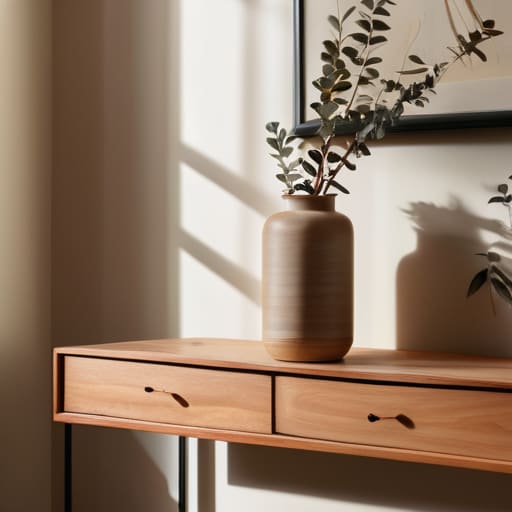
Once you’ve actually done the hard work of thinning out the stacks, you’re left with a blank canvas. This is where most people stumble by trying to cram everything back in just to feel “full” again. Instead, lean into minimalist book storage ideas that prioritize breathing room. You don’t need massive, floor-to-ceiling mahogany units to look sophisticated. Sometimes, a single floating shelf or a slim, mid-century modern console is all you need to showcase your absolute favorites without making the room feel heavy.
When it comes to the actual arrangement, stop worrying about what looks “correct” and focus on what feels calm to your eyes. If you’re a visual person, experimenting with how to organize books by color can turn a sparse shelf into a legitimate piece of art. However, if that feels too chaotic, try grouping by size or even just leaving wide gaps between small clusters of spines. It’s all about intentionality. A few well-placed books paired with a single ceramic vase or a small plant creates a curated vibe that feels much more intentional than a cluttered wall of paper.
The "Keep, Toss, or Donate" Survival Guide
- Be ruthless with the “aspirational” books—you know, those dense philosophy texts or massive biographies you bought three years ago thinking you’d become a scholar, but you haven’t even cracked the spine. If they just make you feel guilty every time you look at them, let them go.
- The “One-In, One-Out” rule is your best friend for preventing a relapse. Once your shelves hit a certain visual density, make a pact with yourself: you can’t buy a new hardback unless an old one finds a new home.
- Group your books by vibe rather than just alphabetizing them. When you’re decluttering, it’s easier to see the gaps if you’re thinking about “the cozy mystery corner” or “the travel section” instead of just a random wall of spines.
- Check your “to-be-read” pile for duplicates. We’ve all done it—bought the same classic in three different editions because they looked pretty on the shelf. Pick your favorite version and donate the rest to a local library.
- Don’t forget about the physical clutter hiding behind the books. Grab a microfiber cloth and actually clear out the dust bunnies and old bookmarks that have been living in the shadows of your collection for months.
The Bottom Line: Less Books, More Reading
Stop treating your shelves like a graveyard for books you “might” read one day; if it hasn’t sparked joy or curiosity in a year, let it go.
Focus on quality over quantity by displaying your absolute favorites, turning your bookshelf from a cluttered mess into a curated gallery of your personality.
Use smart, vertical storage solutions to maximize your floor space, ensuring your books feel like a design choice rather than a storage problem.
## The Soul of the Shelf
“A bookshelf shouldn’t be a graveyard for every book you’ve ever glanced at; it should be a curated collection of the stories that actually shaped who you are.”
Writer
The Final Chapter
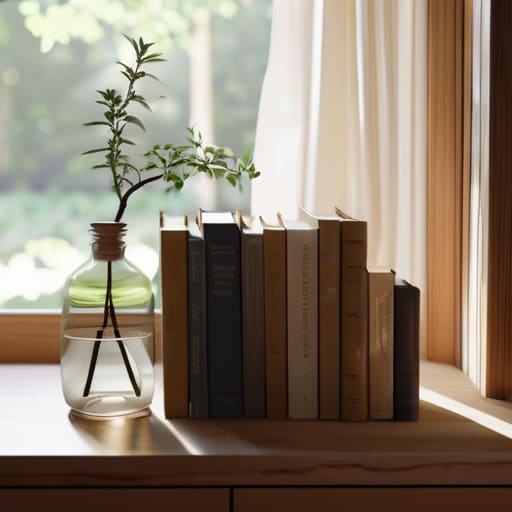
At the end of the day, decluttering isn’t about punishing yourself for every impulse buy or dusty textbook you’ve ever owned. It’s about the transition from a messy pile of paper to a truly intentional collection. We’ve covered how to ruthlessly curate your library, how to let go of the “maybe someday” books, and how to use minimalist storage to actually let your favorite spines breathe. By moving away from the chaos and toward a more streamlined setup, you aren’t just cleaning a room; you are reclaiming your mental space from the clutter that was weighing you down.
So, take a breath and look at those shelves one last time. Don’t view the empty spaces as holes that need to be filled immediately, but as room for the person you are becoming. Your bookshelf should be a living, breathing reflection of your current passions and your most cherished memories, not a graveyard for outdated interests. Let your library evolve alongside you. Once you stop hoarding the past, you finally make room for the stories that actually matter to your future self.
Frequently Asked Questions
What should I actually do with all the books I decide to get rid of?
Don’t just dump them in a donation bin at a big-box store; those places get overwhelmed fast. If they’re in good shape, try a local little free library or a used bookstore that actually cares about its inventory. If you’re feeling extra sentimental, sell them on PangoBooks or Facebook Marketplace to fund your next reading spree. And honestly? If a book is truly trashed, just recycle it. No guilt allowed.
How do I decide if a book is worth keeping if I haven't read it in years?
Be honest with yourself: are you keeping it because you actually love the ideas inside, or just because you feel guilty about the time you “wasted” not reading it? If it’s just guilt, let it go. If you can’t remember the plot or the main argument after all this time, it’s just taking up mental and physical space. If it doesn’t spark a genuine desire to re-read, it’s gone.
Is it possible to declutter without feeling like I'm losing part of my identity?
Look, I get it. Your books feel like a physical map of your brain, and getting rid of them feels like erasing parts of yourself. But here’s the truth: you are the person who read those books, not the paper they’re printed on. Your identity lives in the ideas you kept and the way those stories changed you. If a book is just taking up space without sparking anything, it’s not an extension of you—it’s just clutter.